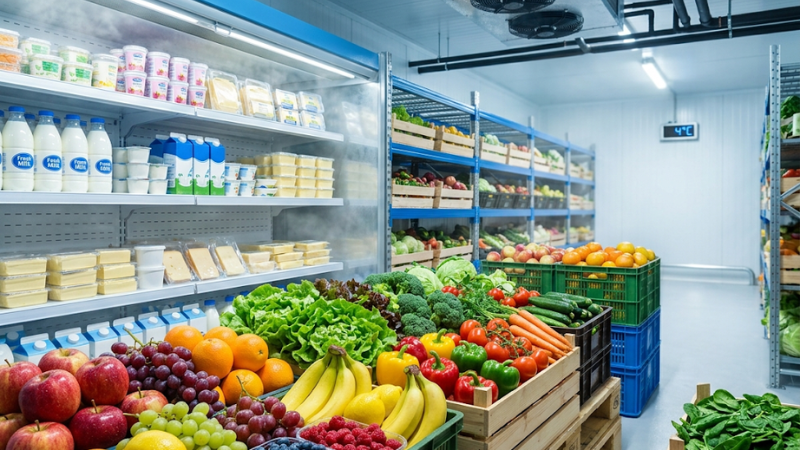
In today’s rapidly growing food and FMCG industry, maintaining the freshness, quality, and safety of perishable products is a top priority. Fresh fruits, vegetables, dairy products, and other temperature-sensitive goods require specialized storage conditions to preserve their nutritional value and extend their shelf life. Without proper storage, these products can quickly deteriorate, leading to significant losses for farmers, distributors, retailers, and consumers.
At BNC Industries Private Limited, we understand the critical role that cold storage plays in ensuring food quality and supply chain efficiency. Modern cold storage facilities help businesses maintain product freshness, reduce waste, and deliver high-quality products to the market. As demand for fresh and nutritious food continues to rise, cold storage has become an essential component of the food distribution ecosystem.
Understanding Cold Storage and Its Importance
Cold storage refers to temperature-controlled facilities designed to preserve perishable products under optimal conditions. These facilities maintain specific temperature and humidity levels based on the nature of the products being stored.
Cold storage is widely used for:
- Fresh fruits
- Fresh vegetables
- Dairy products
- Frozen foods
- Processed food items
- Agricultural produce
- Beverages
- Other perishable goods
By controlling environmental conditions, cold storage helps maintain product quality, prevents spoilage, and supports efficient distribution across different markets.
Why Fresh Fruits and Vegetables Need Cold Storage
Fresh produce begins to lose quality immediately after harvesting. Exposure to heat, moisture fluctuations, and improper handling can accelerate spoilage and reduce market value.
Preserves Freshness for Longer Periods
Cold storage slows down the natural ripening and aging process of fruits and vegetables. This helps maintain their freshness, texture, color, and taste for extended periods.
Reduces Post-Harvest Losses
One of the biggest challenges faced by farmers and distributors is post-harvest loss. Temperature-controlled storage significantly reduces spoilage, helping businesses protect their inventory and maximize profitability.
Maintains Nutritional Value
Fresh fruits and vegetables contain essential vitamins, minerals, and antioxidants. Proper cold storage helps preserve these nutrients, ensuring consumers receive healthier and more nutritious products.
Supports Market Stability
Cold storage enables producers to store seasonal produce safely and release it into the market when demand increases. This helps stabilize supply and pricing throughout the year.
The Critical Role of Cold Storage for Dairy Products
Dairy products are among the most temperature-sensitive food categories. Products such as milk, butter, cheese, yogurt, cream, and other dairy-based items require strict temperature control to maintain quality and safety.
Ensures Food Safety
Cold storage prevents the growth of harmful bacteria and microorganisms that can compromise dairy products and create health risks for consumers.
Extends Product Shelf Life
Maintaining the correct storage temperature helps dairy products remain fresh for longer periods, reducing spoilage and minimizing waste.
Preserves Taste and Texture
Proper refrigeration helps dairy products retain their original flavor, consistency, and overall quality from production to consumption.
Supports Reliable Distribution
Cold storage facilities ensure dairy products remain in optimal condition during storage and transportation, helping businesses maintain customer satisfaction and product reliability.
How Cold Storage Helps Reduce Food Waste
Food waste remains a major challenge across the global food supply chain. A significant percentage of food loss occurs due to improper storage and handling of perishable products.
Cold storage helps address this challenge by:
- Preventing premature spoilage
- Maintaining product freshness
- Extending shelf life
- Protecting inventory value
- Supporting efficient logistics
- Reducing unnecessary waste
By minimizing losses, businesses can improve operational efficiency while contributing to more sustainable food systems.
The Role of Cold Storage in the Modern Supply Chain
Today’s food supply chains often involve multiple stages, including production, storage, transportation, distribution, and retail. Cold storage acts as a critical link that helps maintain product quality throughout the entire journey.
Benefits for Farmers
Farmers can store harvested produce safely and avoid distress selling, allowing them to secure better market opportunities.
Benefits for Manufacturers
Food manufacturers can preserve raw materials and finished products while maintaining quality standards.
Benefits for Distributors and Wholesalers
Cold storage helps distributors manage inventory efficiently and ensure products reach customers in optimal condition.
Benefits for Retailers
Retail businesses can reduce spoilage, improve stock management, and offer fresher products to consumers.
Benefits for Consumers
Consumers receive safer, fresher, and higher-quality food products with better nutritional value and longer shelf life.
Key Benefits of Professional Cold Storage Facilities
Enhanced Product Quality
Temperature-controlled environments help maintain the original quality, appearance, and freshness of products.
Longer Shelf Life
Proper storage conditions significantly increase product longevity and reduce spoilage.
Improved Food Safety
Cold storage minimizes the risk of contamination and bacterial growth, ensuring products remain safe for consumption.
Reduced Business Losses
Businesses can protect valuable inventory and reduce financial losses caused by damaged or spoiled products.
Better Customer Satisfaction
Fresh and high-quality products lead to improved customer trust, loyalty, and brand reputation.
Efficient Inventory Management
Modern cold storage systems allow businesses to manage stock effectively and optimize distribution operations.
Cold Storage and Sustainable Business Growth
Sustainability has become increasingly important in the food and FMCG sectors. Cold storage contributes to sustainable business practices by reducing food waste, improving resource utilization, and supporting efficient supply chain management.
Advanced cold storage facilities often incorporate:
- Energy-efficient refrigeration systems
- Temperature monitoring technology
- Inventory tracking solutions
- Quality control measures
- Sustainable operational practices
These innovations help businesses improve efficiency while minimizing environmental impact.
Choosing the Right Cold Storage Partner
Selecting a reliable cold storage provider is essential for protecting product quality and ensuring smooth business operations.
When evaluating a cold storage facility, businesses should consider:
- Temperature control capabilities
- Storage capacity
- Safety and hygiene standards
- Monitoring systems
- Accessibility and logistics support
- Industry expertise
- Quality assurance processes
A dependable storage partner can help businesses maintain product integrity while supporting long-term growth and operational success.
Why Businesses Trust Professional Cold Storage Solutions
As consumer demand for fresh and high-quality food products continues to grow, businesses must invest in storage solutions that protect their products and strengthen supply chain performance. Professional cold storage facilities provide the infrastructure needed to maintain freshness, improve efficiency, and support business expansion.
For industries dealing with fruits, vegetables, dairy products, and other perishable goods, cold storage is no longer an option—it is a necessity for maintaining competitiveness and meeting customer expectations.
Conclusion
Cold storage plays a crucial role in preserving the freshness, quality, and nutritional value of fruits, vegetables, dairy products, and other perishable goods. By maintaining optimal storage conditions, businesses can reduce food waste, improve shelf life, enhance food safety, and ensure that products reach consumers in the best possible condition.
At BNC Industries Private Limited, we recognize the importance of dependable cold storage and warehousing solutions in supporting modern food and FMCG supply chains. Our commitment is to provide secure, temperature-controlled storage facilities that help businesses protect their products, maintain quality standards, and improve operational efficiency. Whether storing fresh produce, dairy products, or other perishable goods, effective cold storage solutions contribute to sustainable growth and long-term business success.
As the food industry continues to evolve, businesses that invest in reliable cold storage infrastructure will be better positioned to reduce losses, maintain customer satisfaction, and build stronger supply chains. With the right storage solutions and industry expertise, companies can create lasting value while delivering fresher and safer products to the market.